
Understanding the psychology of players in a casino setting insights and implications
The Allure of the Casino Environment
The casino setting is meticulously designed to create an inviting atmosphere that draws players in. From the vibrant lights to the sounds of spinning reels and winning chimes, every element is tailored to enhance excitement and engagement. This sensory experience can lead to a heightened emotional state, making players more susceptible to the allure of risk-taking behaviors. Many might find themselves enjoying an online casino experience that mirrors this thrilling environment.
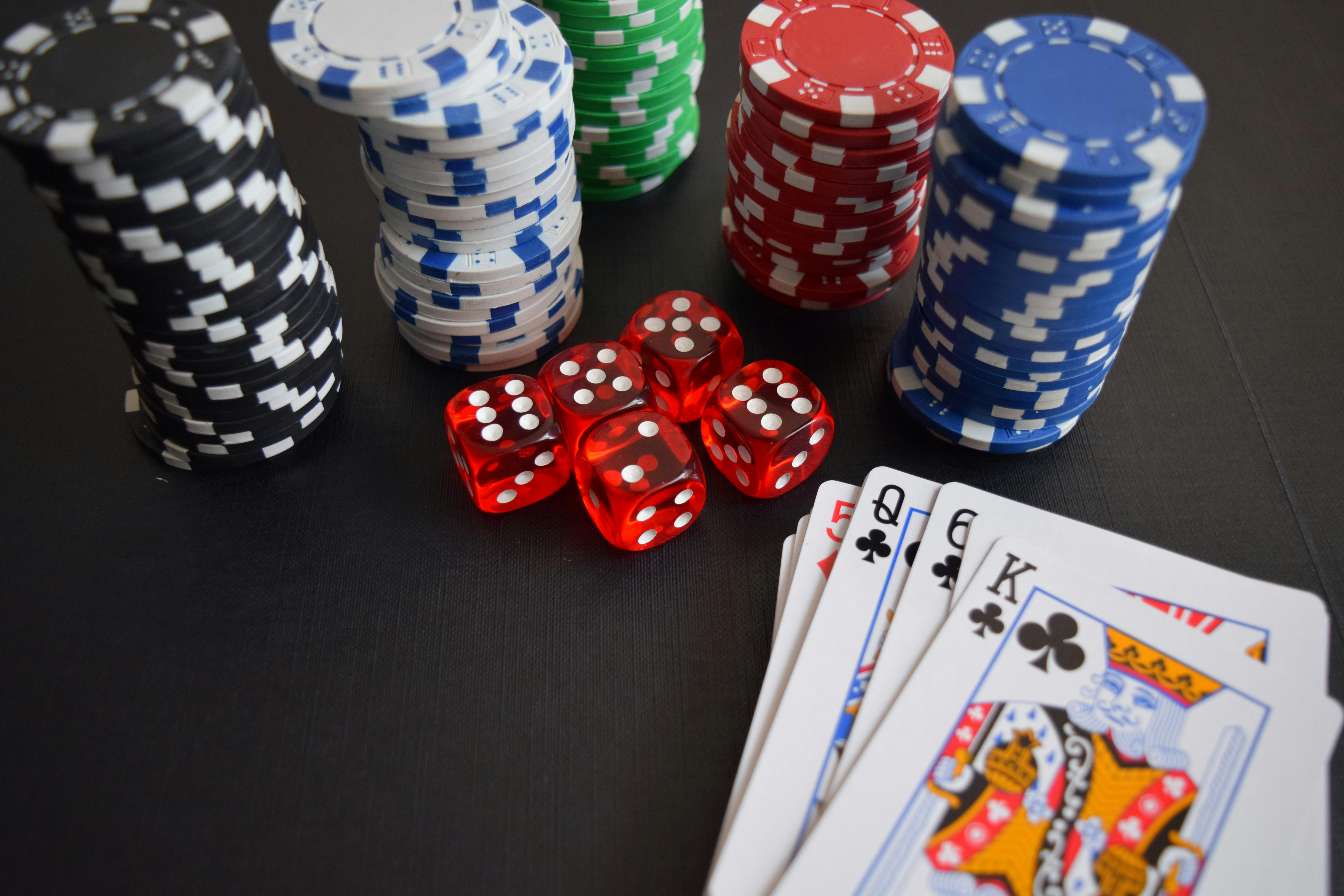
Moreover, the layout of casinos is strategically crafted to encourage exploration and prolonged stay. Players may find themselves drifting from one game to another, often losing track of time. This immersive environment plays a significant role in the psychology of players, as it manipulates their sense of reality and increases their desire to participate, regardless of the odds.
Cognitive biases significantly influence player behavior in a casino setting. For instance, the gambler’s fallacy leads individuals to believe that past outcomes can influence future results, making them more likely to continue playing in hopes of a favorable outcome. This mindset can result in substantial losses as players chase their perceived “luck.”
Another common bias is the illusion of control, where players feel they can influence the outcome of games, particularly in skill-based games like poker. This perception can lead to overconfidence, causing players to make irrational bets based on emotion rather than sound strategy. Recognizing these biases is crucial for both players and casino operators in understanding gambling behavior.
Reward systems in casinos play a pivotal role in player psychology. The anticipation of winning, coupled with the pleasure derived from small wins, reinforces gambling behavior. Casinos often employ various incentives, such as loyalty programs and bonuses, to keep players engaged and returning for more. These rewards trigger the brain’s pleasure centers, making the gaming experience more enjoyable and addictive.
Moreover, the use of near-miss situations—where players come close to winning but do not—can further enhance the desire to continue playing. These experiences create a false sense of achievement, motivating players to persist in their gambling activities, often leading to greater financial risk.
Social dynamics also significantly impact player behavior in casinos. The presence of other players can heighten emotions and create a sense of community, which can be both positive and negative. For some, playing in a group fosters camaraderie and enhances the overall experience, while for others, it may escalate feelings of competitiveness and pressure to gamble more.
Additionally, the social aspect of gambling can lead to a phenomenon known as social proof, where individuals look to others for cues on how to behave. If they observe others winning, they may be more inclined to place larger bets, believing that they too might experience similar success. This interplay between social influences and individual decision-making is a critical area of study in understanding casino psychology.
For those interested in delving deeper into the psychology of casino gaming, there are numerous resources available that provide insights and strategies for responsible gambling. Our website serves as a comprehensive guide for both novice and experienced players, offering valuable information about various games, odds, and the intricacies of gambling psychology.
By staying informed about the latest trends and understanding the psychological aspects of gambling, players can enhance their gaming experience while minimizing risks. Join us to explore essential tools and knowledge that will help you navigate the world of casinos safely and successfully, ensuring that your gaming endeavors are both enjoyable and responsible.
“`
Recent Comments